DA Reviews Bioethanol Policy to Include Corn Feedstock

As fuel prices continue to challenge economies around the world, the Philippines is exploring new ways to strengthen its renewable energy supply while creating additional market opportunities for local farmers.
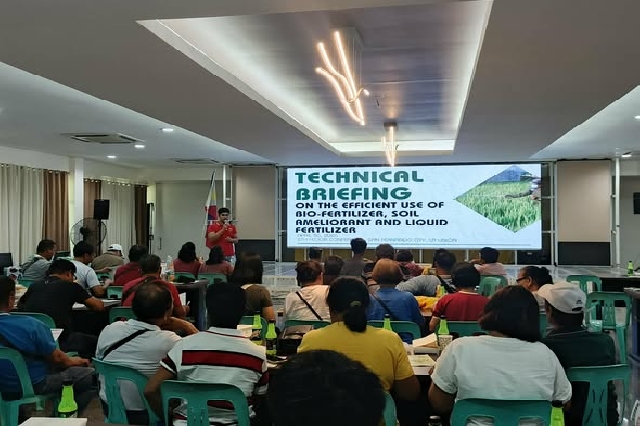
Stakeholders from the National Sectoral Committees on Corn and on Livestock and Poultry gathered on June 4, 2026, through a hybrid meeting to discuss proposed amendments to Joint Administrative Order (JAO) No. 2008-1. The consultation, facilitated by the Philippine Council for Agriculture and Fisheries (PCAF), focused on a proposal that could allow corn to be officially used as a feedstock for bioethanol production.
Under the current policy, sugarcane and molasses are recognized as approved feedstocks for bioethanol. The proposed amendment seeks to lift restrictions on corn, opening the possibility for local corn producers to participate in the country's growing biofuels industry. However, the proposal still requires final approval from the National Biofuels Board before it can be implemented.
During the consultation, Department of Agriculture Assistant Secretary for Operations U-Nichols Manalo highlighted the ongoing fuel challenges as one of the main reasons behind the policy review. He noted that corn growers across the country have long advocated for the inclusion of corn in bioethanol production as a way to diversify income opportunities and expand market demand.
According to Manalo, participants in last year's three-island Corn Congresses passed a resolution supporting the removal of restrictions on corn for ethanol use. The recent consultation was organized to gather feedback from stakeholders and address concerns surrounding the long-standing debate over the use of agricultural crops for food versus fuel.
The food-versus-fuel issue remains one of the key concerns raised by industry groups and consumers. Critics argue that diverting food crops to fuel production could affect food supply and prices. Supporters, however, believe that proper planning, production management, and the use of surplus harvests can help balance food security needs while supporting renewable energy goals.
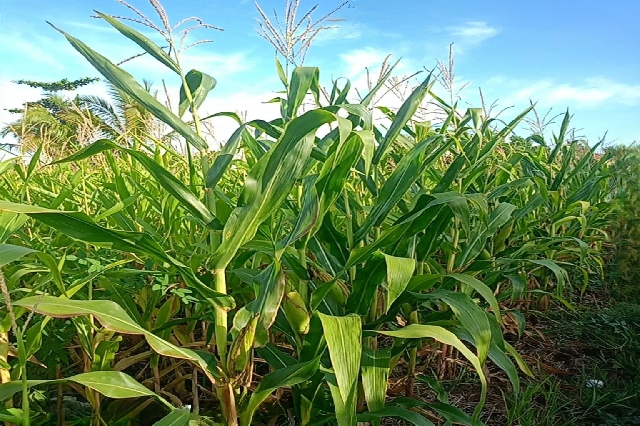
Corn is one of the Philippines' most important agricultural commodities, serving as a primary ingredient in animal feed and food products. Expanding its use in bioethanol production could create new economic opportunities for farmers, especially during periods of oversupply or low market prices.
The Philippines continues to pursue renewable energy initiatives as part of efforts to reduce dependence on imported fossil fuels and strengthen energy security. Bioethanol, a renewable fuel derived from agricultural products, is blended with gasoline under the country's biofuels program to help lower greenhouse gas emissions and support sustainable energy development.
Stakeholders from both the agriculture and livestock sectors are expected to continue discussions on the proposal to ensure that any policy changes protect farmers, consumers, and the broader food supply chain.
As consultations move forward, the outcome of the proposed amendment could shape the future of both the country's renewable energy sector and corn industry. Policymakers hope to find a balanced approach that supports energy needs while safeguarding food security and agricultural productivity.
Pwersa Balita – Your Trusted Source in Agri News
#PCAF #CornIndustry #Bioethanol #RenewableEnergy #PwersaBalita
-
 PhilRice Camp Teaches Kids Rice Value in Nueva Ecija
-
 Cantilan Adopts High-Zinc Rice to Boost Nutrition
-
 NMIS Prepares Webinar on Meat Safety and Consumer Protection
-
 BFAR Trains Staff on Sustainable Marine Fish Farming
-
 ATI Reviews Key Farm Programs to Better Serve Farmers
-
 PhilFIDA Trains Antique Weavers in Abaca Bag Making
-
 NFA Inspects Mindanao Facilities After Strong Quake
-
 Philippine Delegates Join China-ASEAN Agri Standards Training
-
 NDA Seeks P140.5-M Fund to Digitize Dairy Services
-
 DA Composting Project Helps Owan's Farm Boost Harvests
-
 BPI Review Highlights Crop Innovations for Food Security
-
 BAI Honored at Clark Airport for Service Excellence
-
 BAFE Marks 13 Years Advancing Modern Philippine Agriculture
-
 Philippines Leads ASEAN Food Safety Talks in Quezon City
-
 NDA Marks World Milk Day with Nutrition Drive in Lipa
-
BALITA 54
-