NMIS Prepares Webinar on Meat Safety and Consumer Protection

A safe meal begins long before food reaches the dining table. From farms and slaughterhouses to markets and supermarkets, strict meat safety standards play a vital role in protecting Filipino families from foodborne diseases and unsafe products.
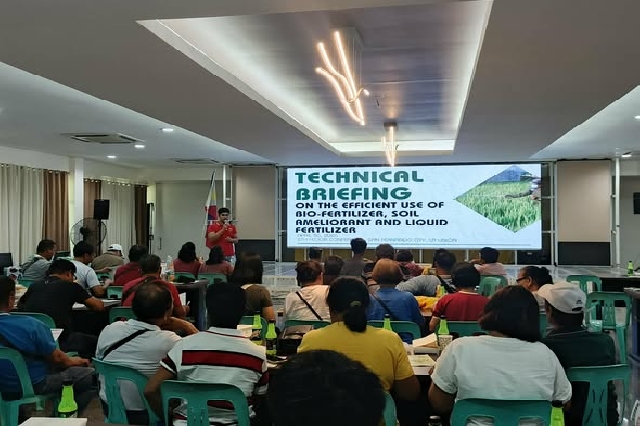
To strengthen public awareness and promote responsible food handling, the National Meat Inspection Service (NMIS) is set to hold Part 2 of its Webinar Series on Meat Safety. The upcoming session will focus on the topic, “Kaligtasan ng Karne Para sa Lahat: Mga Pamantayan, Paglabag at Kaukulang Parusa,” highlighting the importance of meat safety regulations, compliance requirements, and enforcement measures.
The webinar aims to educate stakeholders, industry players, local government units, and consumers about the standards that govern meat production, processing, distribution, and sale in the Philippines. It will also discuss common violations and the corresponding penalties imposed on those who fail to comply with food safety laws.
According to food safety experts, proper meat inspection is one of the most effective ways to prevent the spread of diseases that can affect both animals and humans. Through regular monitoring and enforcement, authorities can ensure that meat products sold in the market are safe, wholesome, and fit for consumption.
The webinar will feature a resource speaker who will provide insights into current meat safety regulations and the role of government agencies in protecting public health. Organizers have yet to announce the official speaker and registration details, which are expected to be released soon.
The NMIS continues to promote awareness campaigns as part of its mandate to ensure food safety and maintain public confidence in the country's meat supply. Educational initiatives such as webinars help strengthen cooperation among government agencies, industry stakeholders, and consumers in achieving higher food safety standards.
Food safety remains a critical concern in the Philippines, where millions of consumers rely on fresh and processed meat products every day. Experts emphasize that compliance with regulations not only protects consumers but also supports the growth and credibility of the local livestock and meat industry.
As the country continues to modernize its food systems, strengthening knowledge about meat safety becomes increasingly important. Consumers who understand food safety practices are better equipped to make informed purchasing decisions and help reduce health risks associated with contaminated products.
The upcoming webinar serves as another step toward building a safer and more transparent food supply chain. By promoting awareness, compliance, and accountability, authorities hope to ensure that every Filipino family has access to safe and quality meat products.
Pwersa Balita – Your Trusted Source in Agri News
#SafeMeatForAll #NMIS #MeatSafety #FoodSafetyPH #PwersaBalita
-
 NMIS Sets June 17 Webinar on Meat Safety Awareness
-
 FPA Announces June 15–19 Skeletal Operations Schedule
-
 PhilFIDA Joins June 2026 Trade Platform Onboarding
-
 Philippine Carabaos Honored on Working Animal Day
-
 BAFS Sets June 17 Consultation on Prawn Farming Rules
-
 Tree Planting Promoted During Soil Conservation Month
-
 BAI Holds June 2026 Consultation on Animal Health Rules
-
 DA Recommends Destroying ₱86.7-M Onion Shipment in Manila
-
 NMIS Sets June 17 Webinar on Meat Safety Standards
-
 DA-NFRDI Holds IP Training to Boost Fisheries Innovation
-
 PhilFIDA Backs Tawi-Tawi Weavers to Preserve Heritage
-
 DA Sets June 16 Webinar on Cattle Breeding Technology
-
 NFA Reopens Rice Sales in South Cotabato After Quake
-
 DA-BSWM Trains Farmers to Strengthen Land Management
-
 BPI-NPQSD Marks 48 Years Strengthening Food Security
-
BALITA 72
-