ATI Reviews Key Farm Programs to Better Serve Farmers

Every training program offered to farmers carries the promise of improving livelihoods, increasing productivity, and strengthening food security. To ensure these goals are being achieved, the Agricultural Training Institute (ATI) has taken steps to evaluate and improve some of its most important agricultural programs.
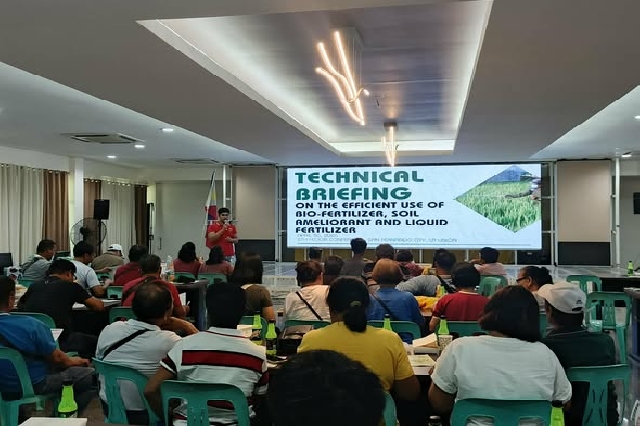
Through its Policy and Planning Division (PPD), the ATI conducted a two-day online session on the Evaluability Assessment of Selected ATI Programs on May 25–26, 2026. The activity brought together program coordinators for Rice, Corn, High-Value Crops, Organic Agriculture, and Livestock, along with selected coordinators and key implementers from ATI Training Centers across the country.
The assessment aimed to review the effectiveness of existing training programs and determine whether they are achieving their intended outcomes for Filipino farmers. By examining program design, implementation strategies, and expected results, ATI seeks to ensure that its initiatives remain relevant and responsive to the changing needs of the agriculture sector.
During the session, participants discussed ways to strengthen program delivery, improve monitoring systems, and enhance the measurement of results. The review process is part of ATI’s broader commitment to evidence-based planning and continuous improvement in agricultural extension services.
ATI Director Remelyn Recoter emphasized the importance of regularly evaluating programs to ensure that government resources are used efficiently and effectively. She noted that careful assessment helps identify strengths, address gaps, and maximize the impact of training initiatives on farming communities.
Agricultural extension services play a crucial role in helping farmers adopt modern technologies, improve farm management practices, and access new knowledge. Effective training programs can contribute to higher yields, increased income, and greater resilience against challenges such as climate change, pests, and market fluctuations.
The programs included in the assessment cover several priority commodities and sectors that are vital to the country's food production system. Rice and corn remain staple crops for millions of Filipinos, while high-value crops provide additional income opportunities for farmers. Organic agriculture promotes sustainable farming practices, and livestock programs support the growth of the animal production sector.
As agriculture continues to face new challenges, institutions such as ATI are focusing on improving the quality and effectiveness of extension services. Evaluability assessments help determine whether programs have clear objectives, measurable outcomes, and systems that can accurately track their performance.
The activity also encouraged collaboration among ATI personnel nationwide, allowing participants to share experiences, best practices, and lessons learned from implementing various training initiatives. Such exchanges help strengthen program management and ensure that successful approaches can be replicated in other regions.
By reviewing and refining its programs, ATI aims to build a more responsive extension system that delivers practical knowledge and meaningful support to farmers. The effort reflects the Institute’s commitment to helping agricultural communities improve productivity, adopt innovations, and achieve sustainable growth.
As the country works toward strengthening food security and rural development, effective farmer education remains a key component of agricultural progress. Through continuous evaluation and improvement, ATI seeks to ensure that its programs create lasting benefits for farmers and contribute to a more productive and resilient agriculture sector.
Pwersa Balita – Your Trusted Source in Agri News
#ATI #FarmerTraining #AgriculturalExtension #FoodSecurity #PwersaBalita
-
 PhilRice Camp Teaches Kids Rice Value in Nueva Ecija
-
 Cantilan Adopts High-Zinc Rice to Boost Nutrition
-
 DA Reviews Bioethanol Policy to Include Corn Feedstock
-
 NMIS Prepares Webinar on Meat Safety and Consumer Protection
-
 BFAR Trains Staff on Sustainable Marine Fish Farming
-
 PhilFIDA Trains Antique Weavers in Abaca Bag Making
-
 NFA Inspects Mindanao Facilities After Strong Quake
-
 Philippine Delegates Join China-ASEAN Agri Standards Training
-
 NDA Seeks P140.5-M Fund to Digitize Dairy Services
-
 DA Composting Project Helps Owan's Farm Boost Harvests
-
 BPI Review Highlights Crop Innovations for Food Security
-
 BAI Honored at Clark Airport for Service Excellence
-
 BAFE Marks 13 Years Advancing Modern Philippine Agriculture
-
 Philippines Leads ASEAN Food Safety Talks in Quezon City
-
 NDA Marks World Milk Day with Nutrition Drive in Lipa
-
BALITA 54
-