NFA Inspects Mindanao Facilities After Strong Quake

In the hours following a powerful earthquake that shook parts of Mindanao, government personnel moved quickly to assess possible damage and ensure that critical food storage facilities remained safe and operational.
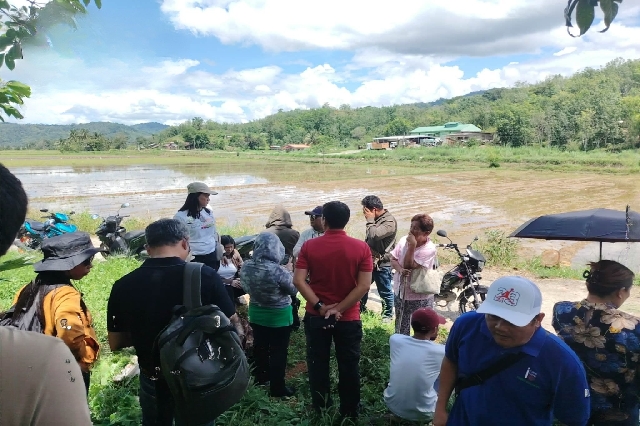
Officials of the National Food Authority (NFA), together with its Engineering Office personnel in Mindanao, immediately conducted inspections of NFA facilities following the reported magnitude 7.8 earthquake that affected parts of the region.
The inspections were carried out to determine the extent of any structural damage and to identify areas requiring immediate repair or intervention. According to the NFA, the rapid assessment is part of its commitment to maintaining the integrity of government rice storage facilities and ensuring the continued delivery of services during emergencies.
Engineers and NFA officials checked warehouses, offices, and other infrastructure under the agency’s management. The inspections focused on evaluating structural safety, identifying potential hazards, and recommending necessary actions to protect both personnel and government assets.
Natural disasters such as earthquakes can pose significant risks to food storage facilities, particularly in regions that play an important role in the country's rice supply chain. Immediate inspections help prevent further damage and ensure that stored rice stocks remain secure and accessible when needed.
The NFA plays a vital role in maintaining the country’s buffer rice supply and supporting food security during emergencies. Ensuring that warehouses and storage facilities remain operational is essential, especially in disaster-prone areas where disruptions can affect communities and agricultural activities.
Disaster response protocols require government agencies to assess infrastructure immediately after major seismic events. These evaluations help authorities determine whether facilities remain safe for continued use or require repairs before operations can fully resume.
The agency assured the public that it remains committed to monitoring the situation and implementing necessary measures to address any damage identified during the inspections. Coordination with engineering teams and local authorities continues to ensure that appropriate actions are taken promptly.
As Mindanao communities recover from the effects of the earthquake, the NFA's inspection efforts highlight the importance of preparedness and swift response in safeguarding critical infrastructure and protecting the country's food supply.
The incident serves as a reminder of the need for resilient facilities and effective disaster management systems to help communities withstand and recover from natural calamities. Through timely assessments and coordinated action, government agencies can better support affected areas and maintain essential services during times of crisis.
Pwersa Balita – Your Trusted Source in Agri News
#NFA #MindanaoEarthquake #FoodSecurity #DisasterResponse #PwersaBalita
-
 PhilRice Camp Teaches Kids Rice Value in Nueva Ecija
-
 Cantilan Adopts High-Zinc Rice to Boost Nutrition
-
 DA Reviews Bioethanol Policy to Include Corn Feedstock
-
 NMIS Prepares Webinar on Meat Safety and Consumer Protection
-
 BFAR Trains Staff on Sustainable Marine Fish Farming
-
 ATI Reviews Key Farm Programs to Better Serve Farmers
-
 PhilFIDA Trains Antique Weavers in Abaca Bag Making
-
 Philippine Delegates Join China-ASEAN Agri Standards Training
-
 NDA Seeks P140.5-M Fund to Digitize Dairy Services
-
 DA Composting Project Helps Owan's Farm Boost Harvests
-
 BPI Review Highlights Crop Innovations for Food Security
-
 BAI Honored at Clark Airport for Service Excellence
-
 BAFE Marks 13 Years Advancing Modern Philippine Agriculture
-
 Philippines Leads ASEAN Food Safety Talks in Quezon City
-
 NDA Marks World Milk Day with Nutrition Drive in Lipa
-
BALITA 54
-