DA Composting Project Helps Owan's Farm Boost Harvests

Healthy soil is the foundation of every successful farm. For many Filipino farmers, improving soil quality can mean higher yields, lower production costs, and a more sustainable source of income. This has become a reality for one agricultural enterprise that benefited from a government-supported composting initiative.
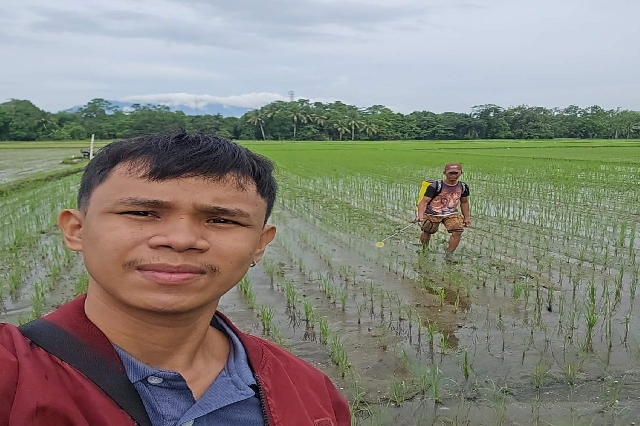
Owan's Worth Farm has transformed its farming operations through the Department of Agriculture–Bureau of Soils and Water Management (DA-BSWM) Composting Facility for Biodegradable Wastes (CFBW) Project, a program designed to promote sustainable agriculture and proper waste management.
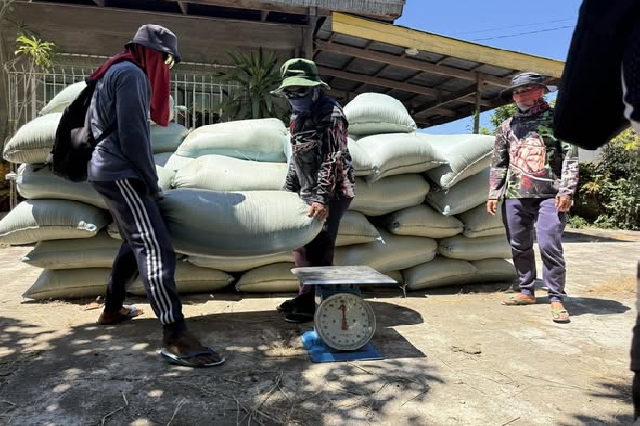
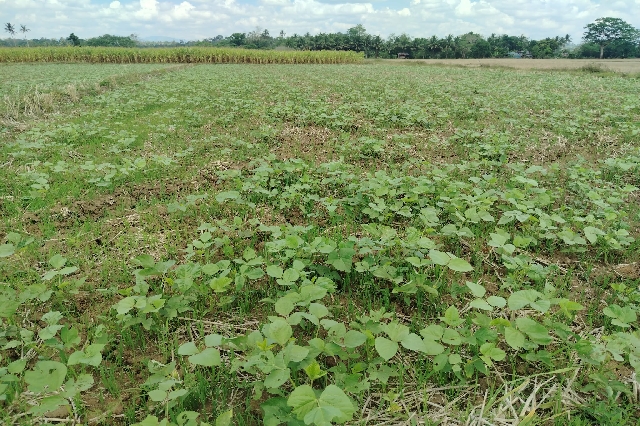
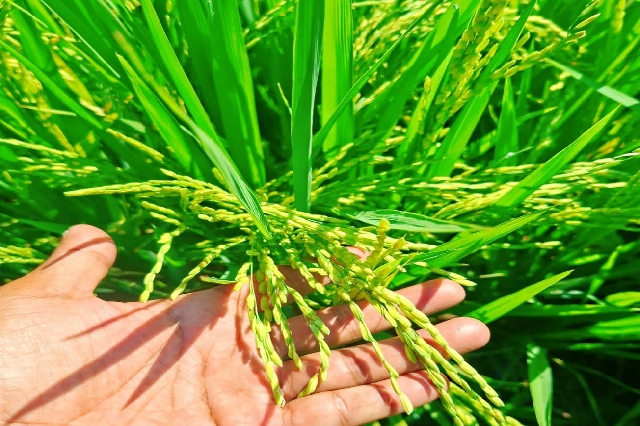
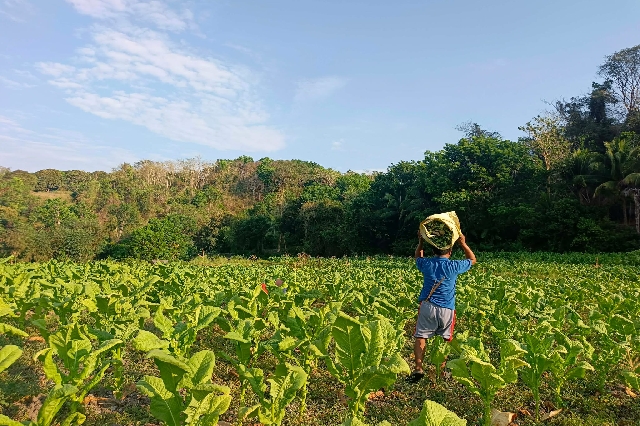
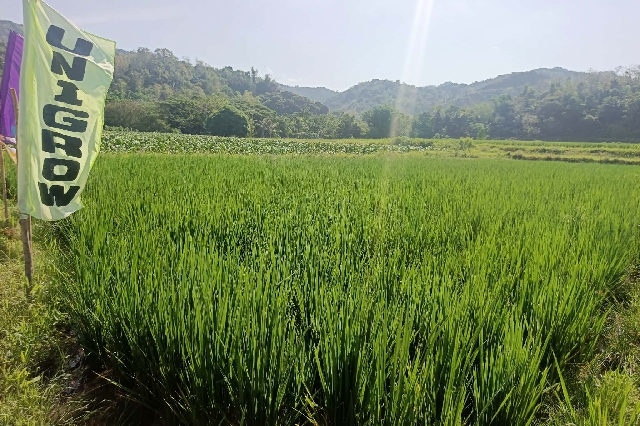
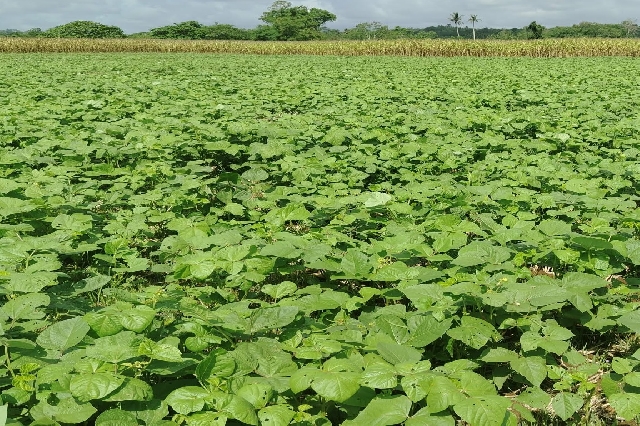
What started as the simple use of compost has evolved into a more productive farming system. Through the project, the farm was able to improve soil fertility, enhance crop growth, and maximize the use of biodegradable materials that would otherwise be discarded as waste.
The CFBW Project supports farmers by providing facilities and technologies that convert biodegradable waste into nutrient-rich compost. This approach helps reduce environmental pollution while creating an affordable source of organic fertilizer for agricultural production.
For Owan's Worth Farm, the benefits extended beyond waste reduction. The use of compost improved soil structure and increased the availability of nutrients essential for crop development. Healthier soil can retain water more effectively, reduce erosion, and support beneficial microorganisms that contribute to plant growth.
Agricultural experts have long emphasized the importance of soil health in ensuring sustainable food production. Continuous use of chemical inputs without proper soil management can lead to declining fertility over time. Organic compost helps restore soil quality by replenishing nutrients and improving overall soil condition.
The success of Owan's Worth Farm demonstrates how composting technologies can provide practical solutions to common farming challenges. By turning biodegradable waste into valuable farm inputs, producers can lower fertilizer expenses while contributing to environmental conservation.
The DA-BSWM has been implementing programs that encourage farmers, local government units, and agricultural organizations to adopt sustainable waste management practices. Through composting facilities, communities can transform agricultural and household biodegradable waste into useful resources that support food production.
Aside from improving farm productivity, composting also helps reduce the volume of waste sent to disposal sites. This contributes to cleaner communities and supports broader environmental goals, including the reduction of greenhouse gas emissions associated with waste decomposition.
As climate-related challenges continue to affect agriculture, sustainable farming practices are becoming increasingly important. Initiatives such as the CFBW Project provide farmers with tools that help improve resilience while protecting natural resources for future generations.
The story of Owan's Worth Farm serves as an example of how innovation and responsible resource management can create lasting benefits for farmers and the environment. By investing in soil health and sustainable practices, agricultural communities can strengthen food security while promoting long-term growth.
The success of the farm highlights the value of transforming waste into opportunity—showing that simple solutions can make a significant difference in building a more productive and sustainable agriculture sector.
Pwersa Balita – Your Trusted Source in Agri News
#BSWM #SustainableFarming #SoilHealth #Composting #PwersaBalita
-
 PhilRice Camp Teaches Kids Rice Value in Nueva Ecija
-
 Cantilan Adopts High-Zinc Rice to Boost Nutrition
-
 DA Reviews Bioethanol Policy to Include Corn Feedstock
-
 NMIS Prepares Webinar on Meat Safety and Consumer Protection
-
 BFAR Trains Staff on Sustainable Marine Fish Farming
-
 ATI Reviews Key Farm Programs to Better Serve Farmers
-
 PhilFIDA Trains Antique Weavers in Abaca Bag Making
-
 NFA Inspects Mindanao Facilities After Strong Quake
-
 Philippine Delegates Join China-ASEAN Agri Standards Training
-
 NDA Seeks P140.5-M Fund to Digitize Dairy Services
-
 BPI Review Highlights Crop Innovations for Food Security
-
 BAI Honored at Clark Airport for Service Excellence
-
 BAFE Marks 13 Years Advancing Modern Philippine Agriculture
-
 Philippines Leads ASEAN Food Safety Talks in Quezon City
-
 NDA Marks World Milk Day with Nutrition Drive in Lipa
-
BALITA 54
-