Philippines Leads ASEAN Food Safety Talks in Quezon City

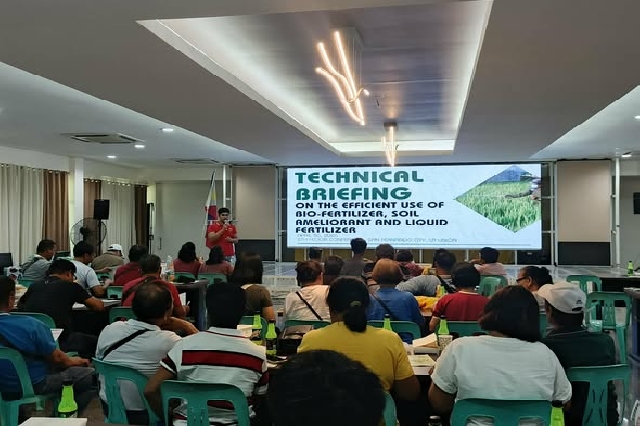
Inside a busy conference hall in Quezon City, government officials and agriculture experts from across Southeast Asia gathered with a common goal: to strengthen food safety, protect plant and animal health, and make regional trade smoother for millions of people.
The Philippines, through the Department of Agriculture (DA), successfully led the 14th Meeting of the Association of Southeast Asian Nations (ASEAN) Sanitary and Phytosanitary Contact Points (ASCP) and the 16th Meeting of the ASEAN Committee on Sanitary and Phytosanitary Measures (AC-SPS) on May 25–26, 2026.
The meetings were held at the Apacible Hall of the DA-Philippine Council for Agriculture and Fisheries (PCAF) in Quezon City, with some participants joining through video conference.
The gathering brought together representatives from ASEAN member states to discuss key issues affecting food safety, agricultural trade, and biosecurity in the region. Sanitary and phytosanitary measures are important standards designed to protect human, animal, and plant health from diseases, pests, and contaminants while ensuring that agricultural products can move safely across borders.
During the discussions, delegates reviewed current policies, exchanged updates on national and regional developments, and explored ways to improve cooperation among ASEAN countries. The meetings also focused on strengthening transparency, harmonizing standards, and enhancing the implementation of science-based measures that support safe and fair agricultural trade.
The Department of Agriculture emphasized that effective sanitary and phytosanitary measures are essential in safeguarding food supplies and protecting farmers and consumers. These measures also help prevent the spread of pests and diseases that can threaten agricultural production and food security across the region.
As one of the founding members of ASEAN, the Philippines continues to play an active role in promoting regional cooperation in agriculture. By hosting and leading these meetings, the country reaffirmed its commitment to supporting a more resilient, sustainable, and interconnected agricultural sector in Southeast Asia.
Experts noted that stronger cooperation among ASEAN nations is becoming increasingly important as the region faces challenges such as climate change, emerging plant and animal diseases, and disruptions in global food supply chains. Through coordinated action and information sharing, member countries can better respond to these risks and strengthen food systems for future generations.
The successful conduct of the meetings highlights the Philippines' growing role in advancing agricultural development and regional collaboration. It also reflects the country's efforts to ensure that farmers, producers, and consumers benefit from safe food, healthy crops, and more efficient trade systems.
As ASEAN countries continue to work together, initiatives like these help build a stronger foundation for food security, economic growth, and sustainable agriculture throughout the region.
Pwersa Balita – Your Trusted Source in Agri News
#ASEAN #DepartmentOfAgriculture #FoodSafety #AgriculturalTrade #PwersaBalita
-
 PhilRice Camp Teaches Kids Rice Value in Nueva Ecija
-
 Cantilan Adopts High-Zinc Rice to Boost Nutrition
-
 DA Reviews Bioethanol Policy to Include Corn Feedstock
-
 NMIS Prepares Webinar on Meat Safety and Consumer Protection
-
 BFAR Trains Staff on Sustainable Marine Fish Farming
-
 ATI Reviews Key Farm Programs to Better Serve Farmers
-
 PhilFIDA Trains Antique Weavers in Abaca Bag Making
-
 NFA Inspects Mindanao Facilities After Strong Quake
-
 Philippine Delegates Join China-ASEAN Agri Standards Training
-
 NDA Seeks P140.5-M Fund to Digitize Dairy Services
-
 DA Composting Project Helps Owan's Farm Boost Harvests
-
 BPI Review Highlights Crop Innovations for Food Security
-
 BAI Honored at Clark Airport for Service Excellence
-
 BAFE Marks 13 Years Advancing Modern Philippine Agriculture
-
 NDA Marks World Milk Day with Nutrition Drive in Lipa
-
BALITA 54
-