DA Inspects Bulacan Rice Mills Amid Imported Rice Price Rise

As Filipino families continue to watch their food budgets closely, government officials are keeping a close eye on rice prices to help ensure affordable supplies in local markets.
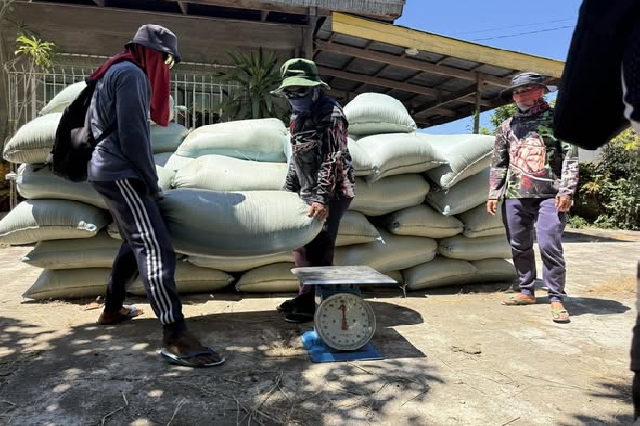
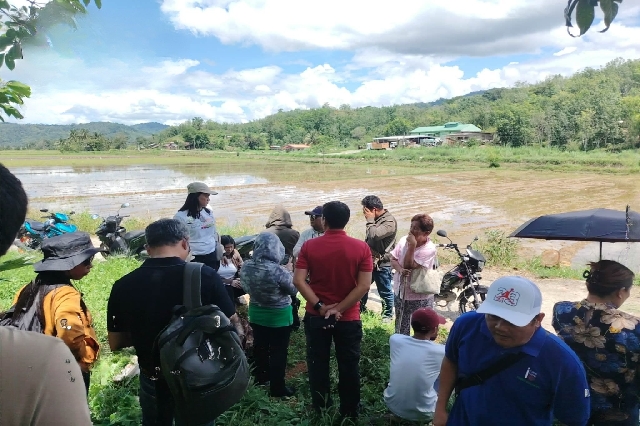
On June 3, 2026, the Department of Agriculture (DA) conducted a joint warehouse inspection at Intercity and Golden City Ricemills in Bocaue, Bulacan, following recent visits to public markets where officials monitored the prices of imported rice.
The inspection aimed to determine whether price movements at the supplier level could be influencing the retail prices paid by consumers. Imported rice, particularly 5% broken rice, remains under a government-imposed mandatory price cap of P50 per kilogram through Executive Order No. 118.
Representatives from the Food Terminal, Inc. (FTI), the Bureau of Plant Industry (BPI), and the DA Regional Field Office III joined the inspection team. Together, they examined warehouse operations, rice stocks, and pricing practices at the two major rice milling facilities.
According to the DA, inspectors observed a slight increase in the wholesale prices of imported rice. Prices that previously ranged from P1,000 to P1,050 per 25-kilogram sack have risen to around P1,100 to P1,120 per sack.
Officials noted that global market pressures, particularly the ongoing tensions and instability in the Middle East, continue to affect the cost of commodities, including rice. Higher shipping and logistics expenses linked to international developments have contributed to price adjustments seen in the local market.
The DA said the warehouse inspection forms part of its continuing Bantay Presyo monitoring efforts to track rice prices throughout the supply chain. By checking both retailers and suppliers, the agency hopes to identify factors that may cause price increases and ensure compliance with government regulations.
Findings from the inspection will be included in the status report on the implementation of the Mandatory Price Cap. The report will help guide government officials in deciding whether the current price cap should be extended, modified, or eventually lifted.
Rice remains the staple food for millions of Filipinos, making price stability a major concern for both consumers and policymakers. The government has repeatedly emphasized the importance of balancing affordable prices for consumers while ensuring that traders and suppliers can continue operating sustainably.
As market conditions continue to evolve, authorities are expected to maintain close monitoring of rice supply and pricing across the country. The results of these inspections will play an important role in shaping future policies aimed at protecting consumers and ensuring food security.
Pwersa Balita – Your Trusted Source in Agri News
#RicePriceMonitoring, #DAPhilippines, #KADIWA, #FoodSecurityPH, #BantayPresyoMonitoring
-
 NDA Marks World Milk Day with Nutrition Drive in Lipa
-
 DA-BSWM Leads Soil Conservation Month 2026 Campaign
-
 BPI Brings NCR Farmers to PhilGAP Farm in Bulacan
-
 FishCoRe Drives Sustainable Fisheries in FMAs 6 and 9
-
 BAI Highlights Animal Health Services at Baguio Conference
-
 CLSU Promotes SFEED for Goats to Tackle Feed Shortages
-
 PhilFIDA Trains Southern Leyte Farmers in Abaca Crafts
-
 PhilFIDA Holds Forum in QC to Advance Fiber Technology
-
 P20 Rice Sale Expands at BPI-Malate to Aid Families
-
 Davao Gulf Fishing Ban Begins to Protect Fish Stocks
-
 BAI Earns Nomination for Regulatory Excellence Award
-
 DA Trains Staff in NCR to Improve Farm Road Projects
-
 PH, Japan Boost Agri-Tech Ties for Food Security
-
 DA-BAR Welcomes New Director Cecilia Gascon
-
 NFA Boosts Bicol Palay Milling for P20 Rice Push
-
BALITA 39
-