P20 Rice Sale Expands at BPI-Malate to Aid Families

For many Filipino families, every peso saved on daily essentials can make a big difference. As food prices continue to affect household budgets, affordable rice programs remain a welcome source of relief for consumers, especially those belonging to vulnerable sectors.
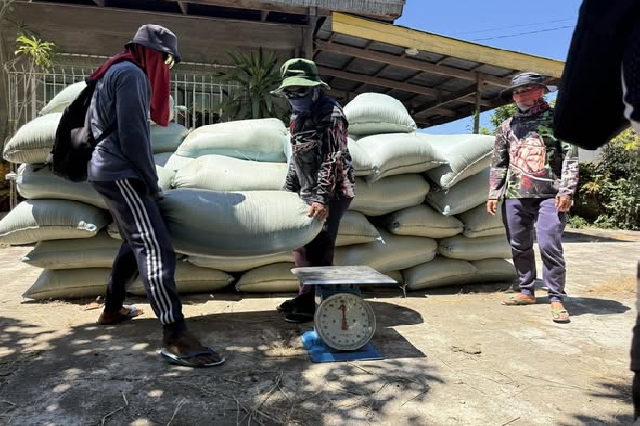
The Department of Agriculture's Kadiwa ng Pangulo outlet at BPI-Malate continues to offer rice at P20 per kilogram under the government's Benteng Bigas Meron Na (BBM) program, providing qualified beneficiaries with access to lower-cost rice and other locally produced food products.
Officials expressed gratitude to the public for their continued support of the program, which also promotes fresh and quality products sourced directly from local farmers and fisherfolk. The initiative aims to help consumers save on food expenses while creating market opportunities for agricultural producers.
To accommodate more beneficiaries, the sale of P20-per-kilo rice is now available from Monday to Friday at the BPI-Malate site. The expanded schedule is expected to allow more eligible individuals and families to access the subsidized rice program regularly.
Qualified beneficiaries may register by presenting a valid identification card showing membership in any of the eligible sectors. These include senior citizens, persons with disabilities (PWDs), solo parents, beneficiaries of the Pantawid Pamilyang Pilipino Program (4Ps), members of the public transportation sector, as well as registered farmers and fisherfolk.
The Benteng Bigas Meron Na program forms part of the government's broader efforts to improve food affordability and strengthen food security. By offering rice at a reduced price, authorities hope to ease the financial burden on vulnerable households while ensuring access to one of the country's most important staple foods.
At the same time, the Kadiwa ng Pangulo program seeks to shorten the supply chain by connecting consumers directly with producers. This approach helps farmers and fisherfolk gain better market access while allowing consumers to purchase fresh products at more affordable prices.
Rice remains the primary staple food for most Filipino households, making affordability a major concern for millions of consumers. Government initiatives that support both producers and consumers are viewed as important tools in balancing food availability, accessibility, and sustainability.
Officials encouraged eligible beneficiaries to take advantage of the program and explore other locally sourced products available at the Kadiwa outlet. The continued participation of consumers also supports the livelihood of farmers and fisherfolk who contribute to the country's food supply.
As efforts continue to strengthen food security and improve affordability, programs such as Benteng Bigas Meron Na demonstrate the importance of linking agricultural producers directly with the communities they serve, helping ensure that quality food remains within reach of more Filipino families.
Pwersa Balita – Your Trusted Source in Agri News
#BentengBigasMeronNa, #P20RiceProgram, #KadiwaNgPangulo, #FoodSecurityPH, #SupportLocalFarmers
-
 NDA Marks World Milk Day with Nutrition Drive in Lipa
-
 DA-BSWM Leads Soil Conservation Month 2026 Campaign
-
 BPI Brings NCR Farmers to PhilGAP Farm in Bulacan
-
 FishCoRe Drives Sustainable Fisheries in FMAs 6 and 9
-
 BAI Highlights Animal Health Services at Baguio Conference
-
 CLSU Promotes SFEED for Goats to Tackle Feed Shortages
-
 PhilFIDA Trains Southern Leyte Farmers in Abaca Crafts
-
 PhilFIDA Holds Forum in QC to Advance Fiber Technology
-
 DA Inspects Bulacan Rice Mills Amid Imported Rice Price Rise
-
 Davao Gulf Fishing Ban Begins to Protect Fish Stocks
-
 BAI Earns Nomination for Regulatory Excellence Award
-
 DA Trains Staff in NCR to Improve Farm Road Projects
-
 PH, Japan Boost Agri-Tech Ties for Food Security
-
 DA-BAR Welcomes New Director Cecilia Gascon
-
 NFA Boosts Bicol Palay Milling for P20 Rice Push
-
BALITA 39
-