NFA Boosts Bicol Palay Milling for P20 Rice Push

As rice prices continue to affect many Filipino families, government workers and rice mill operators in Bicol are now working around the clock to help secure enough rice supply for the country. The effort aims to strengthen the nation’s buffer stock while supporting the government’s affordable rice program for low-income consumers.
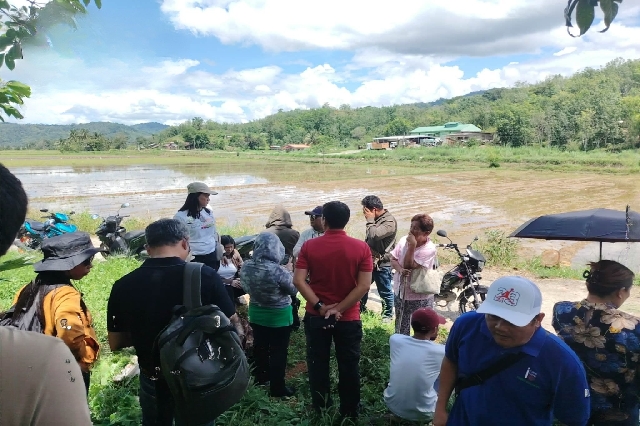
The National Food Authority (NFA) has completed its emergency procurement of milling services in the Bicol Region as part of a broader government plan to increase rice reserves, free up warehouse space, and support the rollout of the P20 per kilo rice initiative.
The move comes at a time when inflation and rising food prices continue to put pressure on household budgets across the Philippines. Rice remains one of the most important food staples in the country, and any increase in prices quickly affects millions of families, especially those in vulnerable communities.
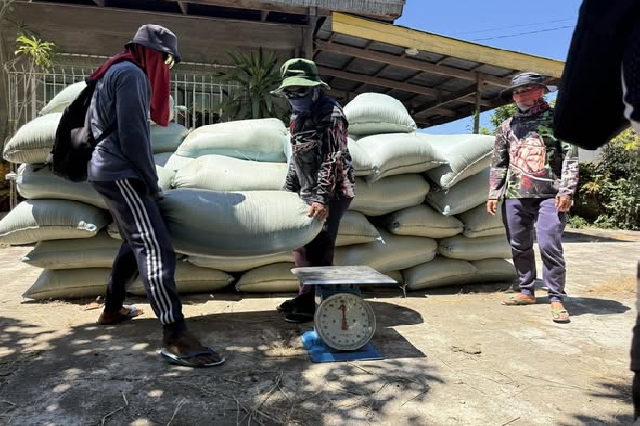
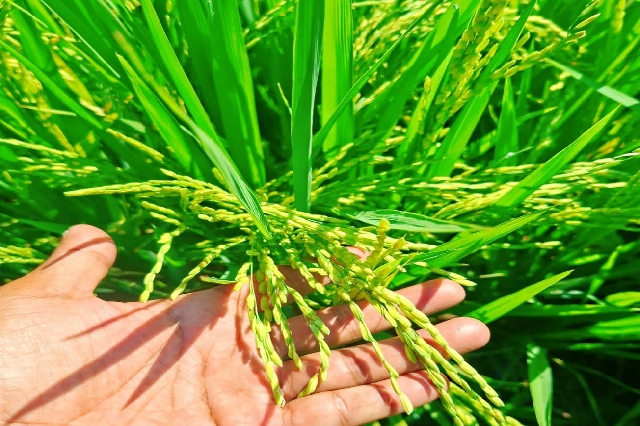
According to the NFA, the emergency milling operations will help speed up the processing of palay purchased from local farmers. By converting stored palay into rice more quickly, the agency can improve the flow of stocks in warehouses and prepare additional supply for distribution under government food programs.
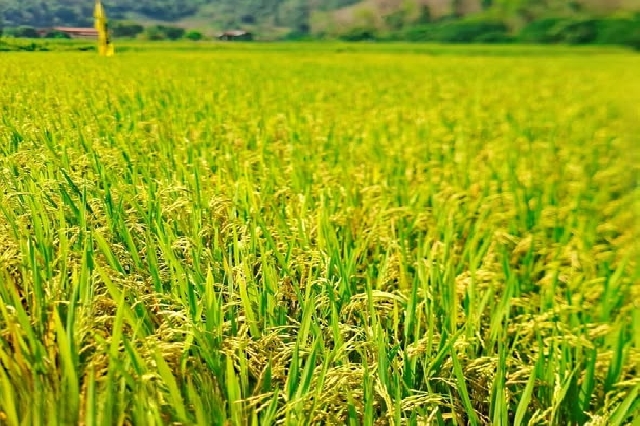
The milling initiative in Bicol is also expected to benefit local rice farmers. Faster procurement and milling operations can help prevent delays in storage and reduce the risk of spoilage, especially during the rainy season when moisture can damage harvested palay.
Government officials earlier said that strengthening local rice reserves is necessary to stabilize supply and cushion the impact of global market uncertainties, climate-related disruptions, and fluctuating prices of agricultural products.
The P20 rice program is part of the administration’s wider effort to make rice more affordable for ordinary Filipinos. The initiative seeks to provide cheaper rice options to sectors most affected by inflation, including low-income households, senior citizens, and vulnerable communities.
Agriculture officials continue to encourage stronger coordination among local governments, farmers, millers, and national agencies to ensure stable rice supply in the coming months. The Department of Agriculture has also been pushing for improved post-harvest facilities, higher local production, and better logistics support to strengthen food security nationwide.
While challenges in the agriculture sector remain, the government said programs like emergency milling and affordable rice distribution are important steps toward protecting consumers and supporting Filipino farmers at the same time.
For many families struggling with rising food costs, stable rice supply and lower market prices remain critical concerns. The success of these efforts could help ease the burden on millions of households and strengthen confidence in the country’s food security programs.
Pwersa Balita – Your Trusted Source in Agri News #NFA, #RiceSupply, #P20Rice, #BicolAgriculture, #FoodSecurity
-
 DA-BAR Welcomes New Director Cecilia Gascon
-
 NMIS Swears In New Meat Inspectors in 2026
-
 PhilFIDA Joins Northern Samar Kauswagan Caravan
-
 NFA Strengthens Support for Filipino Rice Farmers
-
 BPI Launches Rice Analyzer in Quezon City 2026
-
 Cecilia Gascon Takes DA-BAR Post in Quezon City
-
 DA Showcases Rice, Corn Programs for Farmers 2026
-
 FPA Reschedules Webinar on Safe Farm Chemical Use
-
 PhilFIDA Promotes Abaca Bags for School Season
-
 DA Chief Visits Kalinga to Boost Rice Support
-
 Philippines Sets Consultation on Native Pork Standards
-
 Philippines Eyes Record Milk Output in 2026
-
 DA-BSWM Promotes Humility for Better Service
-
 BPI-Davao Holds Durian Meeting in Davao City
-
 DA-BAR Holds Policy Workshop in Quezon City
-
BALITA 25
-